- Home
- Divisions
- Emergency Services
- Line Support Division
- Special Operations
Special Operations
The Special Operations Group (SOG) consists of eight specialty teams, three specialty programs, and additional projects as assigned by Employee Services, Emergency Services, and the Operations Division. There are over 350 members of the SOG, some of which are cross-functional team members. The SOG Chief has 12 direct reports for team operations, finances, training, and stakeholder (internal and external) relationships. In 2023, the SOG offered approximately 2,061 hours of scheduled training across the eight teams.
The SOG teams and programs are managed utilizing a tiered approach. A special operations leadership team has been developed and includes the special operations chief and the team coordinators. Additionally, the captains of additional team stations are part of this team. In 2021, the leadership team has been charged with developing a management structure of their teams that is consistent across the department’s special teams and includes every member bid for specialty seats. This level of management is responsible for the day-to-day operations and deployment of team members to incidents as well as the development of the team budget annually.
The SOG Chief is responsible for coaching, mentoring, development, and succession planning of the teams and programs of special operations. Additionally, they cultivate external stakeholder relationships and develop partnerships to further effective operations throughout the jurisdiction. Examples of this external collaboration include the acquisition of Aircraft Rescue and Firefighting (ARFF) burn props, the development of the South Area Special Operations Chiefs group, and the reinstatement of the SWAT Medic program.
Special Operations consists of twelve teams that support fire suppression and EMS and other day-to-day operations of the Department from eleven stations and two workshops.
Five Response Teams
- Aircraft Rescue and Firefighting (ARFF)
- Water Rescue (Dive)
- Hazardous Materials (HazMat)
- Technical Rescue
- Wildland Firefighting and Mitigation
Four Deployment Teams
- Ceremonial (Honor Guard and Pipes and Drums)
- SWAT Paramedics
- Urban Search and Rescue
Three Operational Support Teams
- Extrication
- Research and Development
- Self-Contained Breathing Apparatus
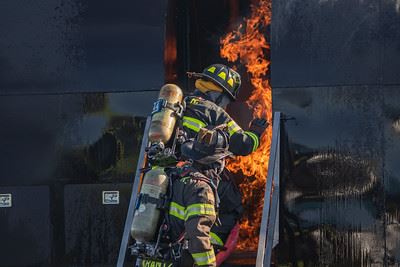 South Metro provides ARFF coverage to Centennial Airport located in Centennial, CO. Centennial Airport is the second busiest general aviation airport in the country with an average of 325,000 operations a year. South Metro has two designated ARFF Stations. Stations 35 and 44 have firefighters who are specifically trained in ARFF and respond in three front-line ARFF-specific apparatuses that carry specialized tools, water, foam, and Purple K. The ARFF team also has a ready reserve ARFF apparatus that is utilized during routine maintenance of front-line apparatus and for training at the ARFF Training Facility located on the grounds of Centennial Airport.
In addition to providing ARFF coverage to aircraft, South Metro also covers the hangars, businesses, and fuel farms that make up Centennial Airport. The ARFF team will also respond to aircraft accidents that happen off the airfield within South Metro’s jurisdiction and surrounding districts through auto or mutual aid agreements.
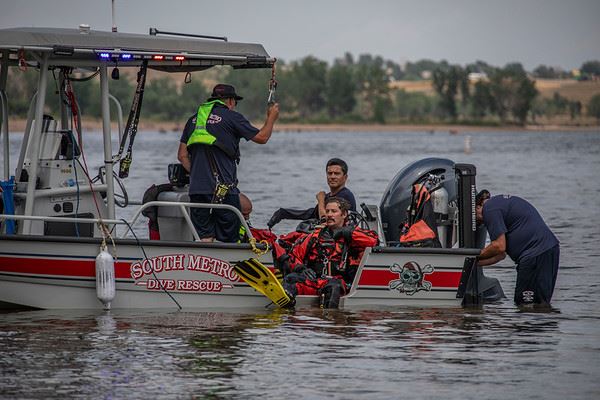 The SMFR Dive Team specializes in water rescue and recovery, which includes open water diving, ice diving, surface water rescue, boat and shore-based operations, salvage and lift operations, and swiftwater rescue. The team consists of forty-four divers that operate out of fire stations 16 and 31. At each station is a dive rig and dive boat, as well as many other pieces of specialty equipment. The daily minimum dive staffing for the district is six divers.
The primary water rescue target hazards within the district include the Chatfield, Cherry Creek, and Reuter-Hess Reservoirs, the Platte River, and numerous other ponds and lakes. The SMFR Dive Team also handles all dive responses at the Aurora and Quincy Reservoirs, as well as serves as the primary dive response for other nearby jurisdictions via mutual aid agreements. The SMFR Dive Team is also a founding member of Metro Dive Rescue, which is a coordinated dive team consisting of members from:
- South Metro Fire Rescue
- Thornton Fire
- West Metro Fire Rescue
- Westminster Fire
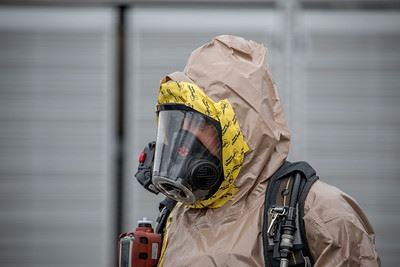 The South Hazardous Materials Response Team consists of 57 hazmat technicians specially trained and equipped to respond to a variety of hazardous conditions. The team’s primary responsibility revolves around assessing hazards, using basic chemistry to understand the processes of atmospheric reactions, and determining the proper protective equipment needed to mitigate the incident. The team utilizes a variety of hazardous material detectors and monitoring equipment to analyze specific hazards within an incident and to come up with a solution to mitigate the problem. Our hazmat team is specifically trained to determine the proper disposal of hazardous wastes, isolating hazardous conditions from the public, and carrying out proper decontamination procedures. The team trains together each month and attends continual ongoing outside trainings to hone their understanding of the emerging threats to public safety. Primary Hazmat units are based out of Stations 17 and 38.
 The South Metro Technical Rescue Team is equipped and trained in the disciplines of rope, confined space, trench, structural collapse, and heavy extrication. In addition, one of the technical rescue apparatus responds to every multi-family and commercial structure fire to provide an enhanced level of rapid intervention response. Primary Technical Rescue Training is delivered in-house with an eleven-day course bi-annually. Technical rescuers go through development packets to reach various levels of education and train monthly to maintain proficiency. The team operates out a Rescue out of Station 34 and a Collapse apparatus 45.
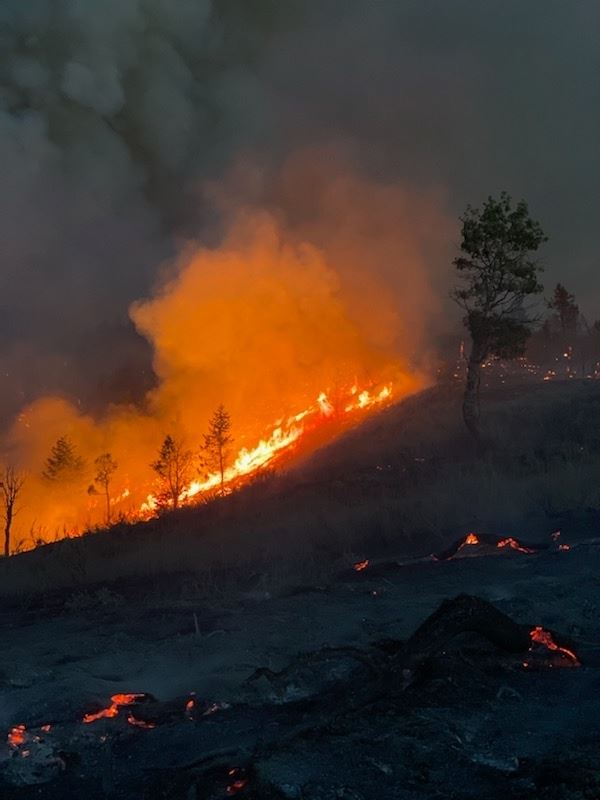 The South Metro Wildland Team is dedicated to providing wildland firefighting services and training to the people of South Metro. The team is deployable anywhere in the nation and is fully compliant with National Wildfire Coordination Group training and certification guidelines. Members work on engines as well as serve in multiple single-resource and supervisory roles on fires. By deploying nationwide our members get the opportunity to see a wide variety of fuel models and fire behavior. This experience is then brought back and passed along to all suppression companies through training and while operating in the Wildland Urban Interface here at South Metro Fire. The Wildland Team cross staffs 3 Type III Engines within the district and a minimum of two of these units are dispatched on every interface and large wildfire incident. All South Metro employees have basic wildland knowledge and training and cross-staff a total of 15 wildland apparatus district-wide.
 The South Metro Fire Rescue Ceremonial Unit is comprised of the Honor Guard and The Pipes and Drums, both of whom are committed to upholding the traditions and values of the fire service while honoring those who have made the ultimate sacrifice. Our highly trained members demonstrate precision and professionalism as they perform ceremonial duties at various events and memorials across the United States and internationally.
Through our solemn presence and disciplined execution, our Honor Guard strives to provide solace and support to the families of fallen firefighters, law enforcement officers, and military personnel, ensuring that these brave individuals receive the respect and recognition they deserve during their service and in their memory.
As part of our commitment to preserving heritage, our talented Pipes and Drums ensemble adds a unique touch to our ceremonies and public performances. Their stirring melodies and rhythmic cadences echo the bravery and resilience of the fire service, creating a powerful and emotional experience for all who witness their display.
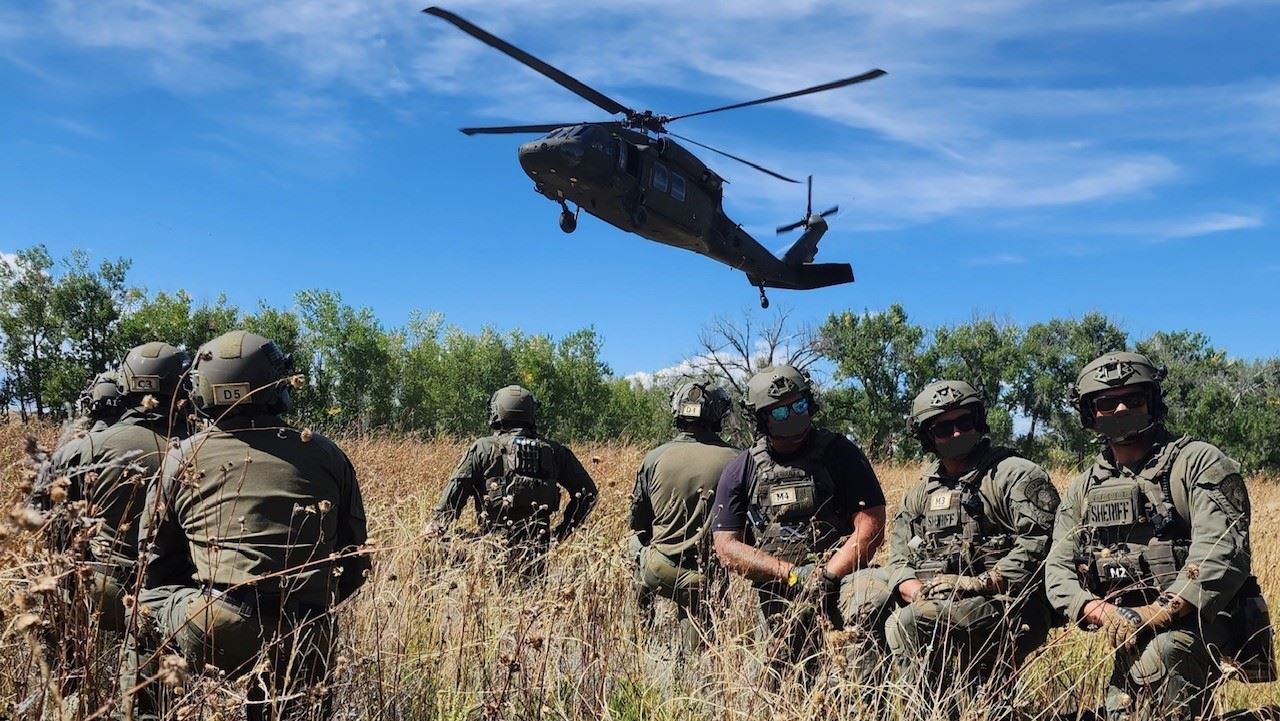 South Metro Fire Rescue takes immense pride in providing SWAT Paramedics to the Arapahoe County Sheriff's Office and Douglas County Sheriff's Office. These highly skilled paramedics are not only POST-certified but are also embedded as integral members of the SWAT teams. This integration brings significant benefits to both the team members and the citizens they serve. By having paramedics embedded within the SWAT teams, immediate access to specialized medical care is ensured during high-risk operations. The paramedics' expertise and training allow them to provide on-site treatment and critical care to injured team members or civilians caught in dangerous situations. This seamless collaboration between law enforcement and South Metro Fire Rescue ensures a comprehensive and effective emergency response system, fostering a sense of security and trust among team members and the community at large.
The presence of embedded paramedics also brings tremendous benefits to citizens. In critical incidents where civilians may be at risk, the immediate availability of paramedics within the SWAT teams ensures swift medical attention and potentially life-saving interventions. The paramedics' training in tactical operations and their deep understanding of SWAT procedures enable them to seamlessly navigate the dynamic and high-pressure environments they encounter. By having paramedics closely integrated into the team, the response time for medical care is significantly reduced, minimizing the potential for further injury, and increasing the chances of positive outcomes. South Metro Fire Rescue's provision of SWAT Paramedics demonstrates their commitment to public safety and highlights the importance of collaborative efforts in delivering comprehensive emergency services to the community.
 CO-TF1 is a FEMA-sponsored Urban Search and Rescue (USAR) team comprised of 210 members (29 from SMFR) from 23 local fire departments along with qualified doctors, engineers, and civilian ranks. The primary purpose of CO-TF1 (as well as the other 27 USAR teams across the nation) is to respond to man-made and natural disaster events in urban areas across the USA, and to complete search and rescue operations.
This highly specialized team is extensively trained in advanced search and rescue techniques designed to mitigate major disasters from terror events to hurricanes, building collapse, earthquakes, and many other types of major catastrophes. The team is deployable 24/7/365, by land or air, and has completed dozens of missions on behalf of the Department of Homeland Security.
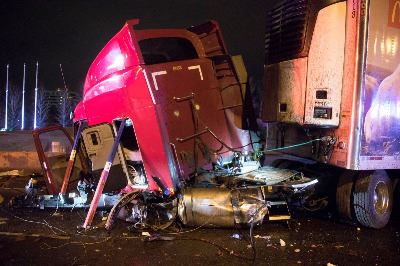 The discipline of vehicle extrication encompasses tactics and tools used to remove a vehicle from around a person and/or persons entrapped because of a motor vehicle accident. The life-saving techniques of extrication include manipulating crushed and damaged vehicles with high-power hydraulic tools as well as stabilizing and securing vehicles that have come to rest in unstable positions. SMFR trains all our response personnel in extrication techniques. All SMFR suppression apparatus are equipped with hydraulic extrication tools however, SMFR Aerial apparatus provide enhanced levels of extrication and are equipped to handle more complex extrication and stabilization needs. The SMFR Technical Rescue Teams is also highly trained in heavy extrication techniques to address the most complex vehicle extrication scenarios as well as extrication involving heavy loads such as cement trucks, semi-trucks, light rail, heavy rail, etc.
The Research and Development (R&D) team’s mission is to ensure South Metro’s firefighters are operating with the best equipment and systems available in a fiscally responsible manner. The R&D team uses our subject matter experts to examine new products and best practices to provide the best service possible to our citizens. All of this is done in a transparent manner where the benefits and disadvantages are weighed, and a recommendation is provided to South Metro’s decision-makers.
 The Self-Contained Breathing Apparatus (SCBA) Team is comprised of Line/Investigator users who are committed to servicing and maintaining breathing air equipment for the district. We are a certified SCOTT In-House Repair Center that is equipped to repair or replace all things SCBA. Team members earn Technician status through a three-day course taught by manufacturer instructors and recertify every two years.
The team’s responsibilities include mask fit testing of all SCBA users, function testing air packs and regulators, maintaining air compressors, hydro-testing cylinders, and making timely repairs. In addition, the SCBA Team equips and supports:
- Line Recruit Academies
- Arapahoe Rescue Patrol (youth-based fire program)
- Explorer program (youth-based fire program)
- Douglas County School District Fire Science students